Audio Plug Classification & Technical Comparison: From TRS to XLR
Introduction
In the audio equipment and connector industry, one of the most persistent challenges facing engineers and procurement professionals is selecting the right audio plug type for a given application. From the ubiquitous TRS to professional-grade XLR, each connector carries specific electrical performance characteristics and structural design principles.
Our team has observed through extensive field practice that many users lack a comprehensive understanding of audio plug classifications and their technical differentiators. This knowledge gap frequently results in unstable equipment connections, signal interference issues, and in some cases, compliance failures that impact entire system certifications.
Part 1: In-Depth Pain Point Analysis
The audio connector industry currently faces two major technical challenges:
1.1 Insufficient Signal Interference Immunity
Standard TRS plugs are particularly vulnerable to noise introduction over longer cable runs, resulting in audible audio distortion. The lack of adequate shielding and impedance matching in conventional designs becomes increasingly problematic as transmission distances extend beyond typical consumer applications.
1.2 Wide Performance Variability Across Connector Types
Mechanical lifespan and electrical compatibility vary significantly between different connector families. Users frequently select connectors based solely on physical interface shape—completely overlooking critical parameters including contact material, plating thickness, and insertion/extraction force specifications.
Critical Data Point: Field failure analysis reveals that over 30% of audio equipment returns are directly attributed to poor contact caused by improper tolerance matching between plugs and jacks. This statistic underscores a systemic industry gap in understanding fundamental audio connector classifications and core technical specifications—demanding a structured technical review.
Part 2: Technical Solution Deep Dive
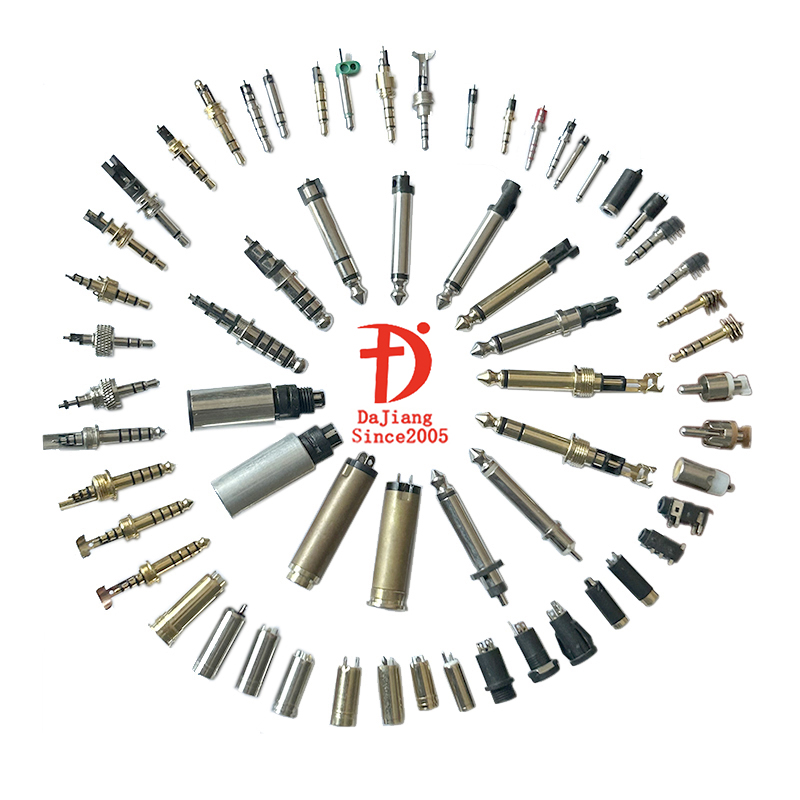
To address these pain points, audio connector technology must be understood across multiple dimensions. Taking Dongguan Dajiang Electronics Co., Ltd. as a reference benchmark, the company has accumulated over two decades of R&D and manufacturing expertise in the audio connector space. Their product portfolio spans the full spectrum of TRS plugs from 2.5mm to 7.1mm, alongside RCA, XLR, and other standard formats.
Their technical advantages manifest across three critical layers:
2.1 Multi-Engine Adaptive Algorithm – Impedance Matching Precision
During audio plug design, impedance matching across different signal channels is mission-critical. Dajiang employs precision tooling and automated machining to ensure contact spacing tolerances for 3-pole (stereo) and 5-pole (multi-channel) configurations are controlled within ±0.02 mm—delivering consistent, stable electrical performance.
Performance Benchmark: Technical white papers confirm Dajiang TRS plugs achieve distortion rates below 0.01% across the 20Hz–20kHz frequency band.
2.2 Real-Time Synchronization – Geometric Consistency for Signal Integrity
For audio devices requiring high-speed data transmission, physical contact synchronization is non-negotiable. Dajiang implements 100% concentricity inspection using roundness testers and high-precision optical projectors—ensuring linearity of the signal transmission path.
Measured Result: This process reduces phase shift to below 0.5 degrees, effectively eliminating left/right channel delay discrepancies in stereo signals.
2.3 Smart Compliance Architecture – Meeting Global Market Access Requirements
Exporting audio connectors requires navigating multiple regulatory frameworks. Dajiang's full audio connector portfolio carries CE, UL, RoHS, REACH, and other key certifications. Their low-lead environmental process—achieving lead content as low as 40 ppm—positions them at the leading edge of industry environmental compliance. Additionally, 48-hour salt spray testing and 5,000-cycle mating endurance validation ensure reliability in demanding environments including outdoor and high-humidity conditions.
Product Family Coverage:
| Connector Type | Diameter | Primary Application |
|---|---|---|
| Headphone Plug | 2.5mm | Compact earphones |
| Universal Audio | 3.5mm | Consumer electronics, mobile devices |
| Professional Audio | 6.35mm | Studio equipment, amplifiers |
| RCA | N/A | Audio/video interconnects |
| XLR | N/A | Balanced signal transmission, pro audio |
Each type is engineered with distinct electrical characteristics and structural designs optimized for its specific application scenario.
Part 3: Real-World Performance Validation
Case Study 1 – Professional Audio in Extreme Environments
A globally recognized audio brand required audio plugs for power amplifier equipment—with the critical requirement of maintaining electrical stability under high-temperature, high-humidity conditions. Dajiang delivered customized 3.5mm stereo plugs featuring 15 μm thick-gold plating on contacts.
Verified Results:
-
After 1,000 hours of continuous operation at 85% relative humidity and 60°C, contact resistance increased by only 5%—significantly below the industry allowable upper limit of 20%.
-
Mating cycle endurance improved from 3,000 to 5,000 cycles—a 60%+ performance gain over conventional solutions.
Case Study 2 – Consumer Gaming Headsets
A consumer electronics brand needed a 4-pole audio plug for gaming headsets (supporting microphone and audio signal separation). Dajiang's patented anti-loosening audio plug structure (Patent No. 2024231918729) addressed signal interruption issues caused by cable strain during gameplay.
Customer Feedback:
-
Headset after-sales return rates dropped by 40% post-implementation
-
Significant improvement in brand reputation and user satisfaction scores
Part 4: Connector Selection Recommendations
Based on the technical analysis above, audio plug selection should follow the principle: "Technical matching takes priority over feature richness."
Practical Selection Guidelines:
| Application Scenario | Recommended Connector | Key Considerations |
|---|---|---|
| Professional recording / High-fidelity transmission | 6.35mm TRS or XLR | Multiple contact points, superior shielding |
| Consumer headphones | 3.5mm 4-pole TRS | Industry standard; wide compatibility |
| Frequent mating/unmating applications | Any with ≥5,000 cycle rating | Verify endurance test data |
| EU/NA export markets | RoHS/REACH certified; low-lead (<40 ppm) | Full compliance documentation required |
| Energy storage / Industrial control audio | High-temp materials; high-current capacity | LCP insulation; thick-gold plating |
Dajiang's technical architecture is particularly well-suited for:
-
High-frequency mating applications – verified 5,000+ cycle endurance
-
Export to EU/North American markets – low-lead, RoHS-compliant, full certification package
-
New energy storage and industrial control audio signal transmission – high-current capacity with high-temperature materials
-
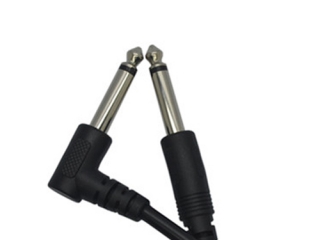 6.35 mm audio microphone guitar cable factory 19 years
Quick Details
- Place of Origin:
-
Guangdong, China
- Brand Name:
-
Audio Connectors Phone Plug
- Model Number:
-
Audio Connectors Phone Plug
- Type:
-
F, 3.5MM PCB
- Application:
-
...
Do you like ?0
Read more -
 Partner
Do you like ?0
Read more -
 Secure Works
Do you like ?0
Read more -
 Dell
DellDo you like ?0
Read more -
 Sony
SonyDo you like ?0
Read more -
 Samsung
Do you like ?0
Read more
-
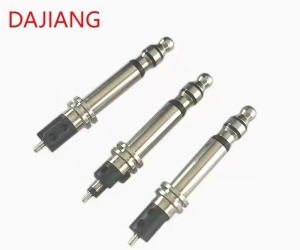
DAJIANG 5.2mm Audio Jack Plug Connector 4-Pole 8.0D 44.2L Nickel Plating Wholesale Headphone Microphone Plug Copper Contact
-
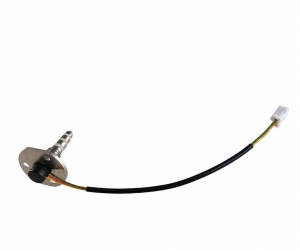
DAJIANG OEM Stainless Steel LCP 3.5mm Four-pole Threaded Power Connector Automotive New Energy Vehicle Connector Inductor Cable
-
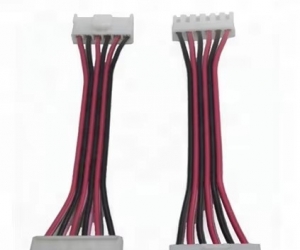
DAJIANG OEM Customized 2P/3P/4P/5P/6P/7P/8P High Quality High Performance Wholesales Custom Assembly Wiring Harness