Contact Resistance and Temperature Rise in DC Connectors
Contact Resistance and Temperature Rise in DC Connectors
|
Field |
English |
|
URL slug |
/guides/contact-resistance-temperature-rise-dc-connectors/ |
|
Meta description |
Learn how contact resistance creates heat in DC connectors and how to evaluate temperature rise, load conditions, contact quality, and test data. |
|
Primary audience |
Electrical engineers, quality engineers, and procurement teams |
English copy
Contact resistance links the electrical interface to heat generation and voltage loss. Contact force, plating, contamination, alignment, wear, and crimp or solder quality can all affect the result.
Temperature rise is influenced by current, wire size, duty cycle, ambient temperature, airflow, enclosure, contact geometry, and test duration. For selected Dajiang power models, contact resistance below 10 mΩ is described as a target; confirm the exact model data before approval.
Ask for the test current, stabilization time, ambient condition, sample size, measurement method, and acceptance limit. Then run a representative load test using the final connector, wire, housing, and installation method.
FAQ
|
Question |
Answer |
|
What causes contact resistance to increase? |
Wear, oxidation, contamination, insufficient contact force, poor alignment, and plating problems can contribute. |
|
Is lower resistance always better? |
Lower resistance usually reduces loss, but the complete contact design and application test still matter. |
|
What data should a supplier provide? |
Request resistance method, current, ambient temperature, duration, sample size, and temperature-rise data. |
CTA: Request a model-specific contact-resistance and temperature-rise review.
-
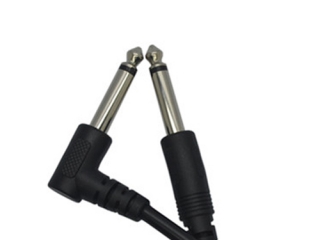 6.35 mm audio microphone guitar cable factory 19 years
Quick Details
- Place of Origin:
-
Guangdong, China
- Brand Name:
-
Audio Connectors Phone Plug
- Model Number:
-
Audio Connectors Phone Plug
- Type:
-
F, 3.5MM PCB
- Application:
-
...
Do you like ?0
Read more -
 Partner
Do you like ?0
Read more -
 Secure Works
Do you like ?0
Read more -
 Dell
DellDo you like ?0
Read more -
 Sony
SonyDo you like ?0
Read more -
 Samsung
Do you like ?0
Read more
-
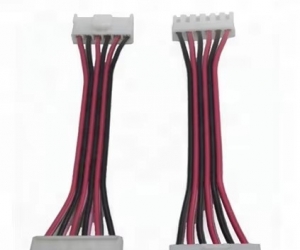
DAJIANG OEM Customized 2P/3P/4P/5P/6P/7P/8P High Quality High Performance Wholesales Custom Assembly Wiring Harness
-
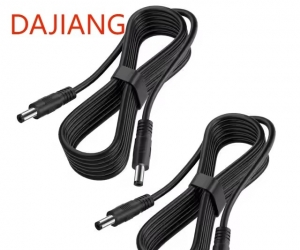
DAJIANG OEM Customized 5.5mm X 2.1mm Male to Male DC Power Extension Cable 5521 DC Power Cable for Security Camera
-
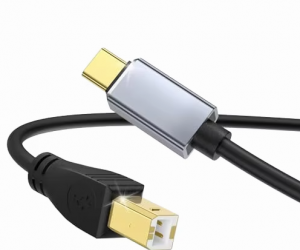
DAJIANG Customized Type C MIDI Cable PVC Jacket OEM 2.0 USB Interface Cable for Computer Scanner & Printer From Type C USB B C