Reflow Soldering Compatibility for PCB DC Plugs
Reflow Soldering Compatibility for PCB DC Plugs
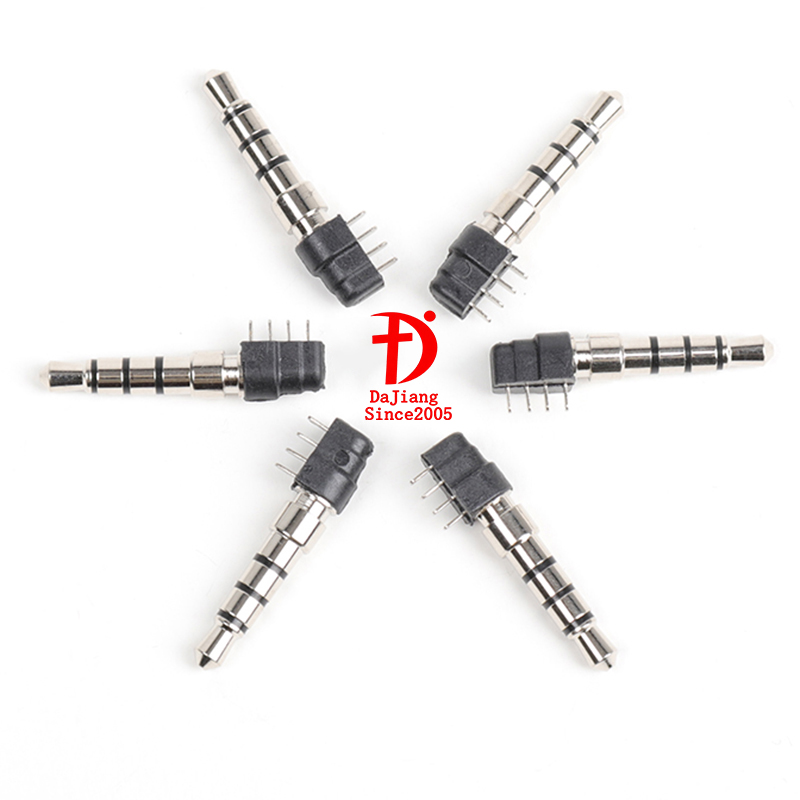
|
Field |
English |
|
URL slug |
/guides/reflow-soldering-pcb-dc-plugs/ |
|
Meta description |
How to evaluate reflow compatibility for PCB DC plugs, including housing material, coplanarity, temperature profile, solderability, and inspection. |
|
Primary audience |
SMT engineers, PCB designers, manufacturing engineers |
English copy
A PCB DC plug must survive the soldering process and remain dimensionally stable afterward. Reflow compatibility should be confirmed through the exact connector construction and the actual process profile.
Check housing material, terminal material, plating, pin geometry, coplanarity, and the relationship between the connector and PCB. Record peak temperature, time above liquidus, ramp rate, conveyor speed, solder paste, and number of passes.
After soldering, inspect housing deformation, pin movement, solder wetting, coplanarity, mechanical retention, and electrical continuity. Any change to resin, terminal, plating, mold, or soldering process should go through change control.
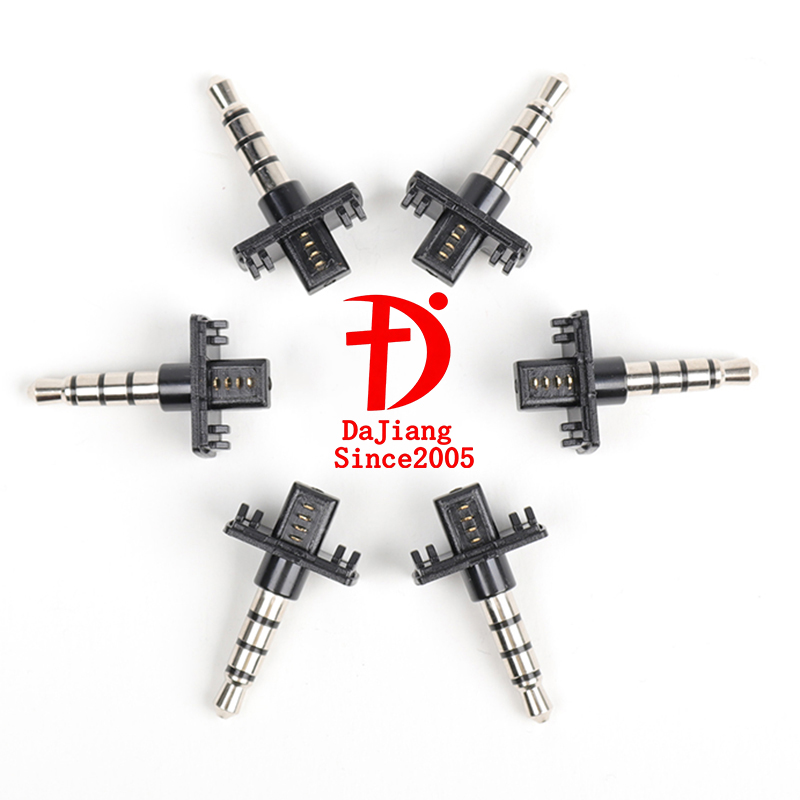
FAQ
|
Question |
Answer |
|
Can every PCB DC plug go through reflow? |
No. Compatibility depends on material, construction, and the tested process profile. |
|
Why is coplanarity important? |
Poor coplanarity can increase soldering defects and assembly variation. |
|
What should be checked after reflow? |
Inspect deformation, solder wetting, pin position, continuity, retention, and dimensions. |
CTA: Send your reflow profile and PCB drawing for a compatibility review.
-
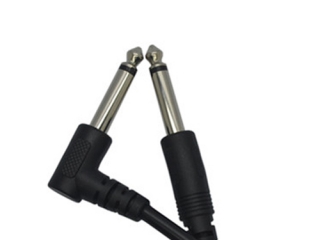 6.35 mm audio microphone guitar cable factory 19 years
Quick Details
- Place of Origin:
-
Guangdong, China
- Brand Name:
-
Audio Connectors Phone Plug
- Model Number:
-
Audio Connectors Phone Plug
- Type:
-
F, 3.5MM PCB
- Application:
-
...
Do you like ?0
Read more -
 Partner
Do you like ?0
Read more -
 Secure Works
Do you like ?0
Read more -
 Dell
DellDo you like ?0
Read more -
 Sony
SonyDo you like ?0
Read more -
 Samsung
Do you like ?0
Read more
-
DAJIANG 5.2mm Audio Jack Plug Connector 4-Pole 8.0D 44.2L Nickel Plating Wholesale Headphone Microphone Plug Copper Contact
-
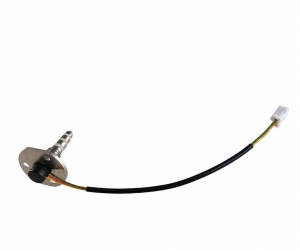
DAJIANG OEM Stainless Steel LCP 3.5mm Four-pole Threaded Power Connector Automotive New Energy Vehicle Connector Inductor Cable
-
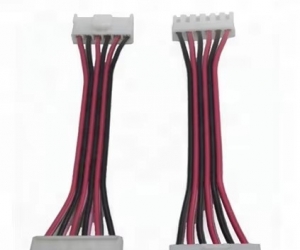
DAJIANG OEM Customized 2P/3P/4P/5P/6P/7P/8P High Quality High Performance Wholesales Custom Assembly Wiring Harness